Microbes as active players in ecosystem models
Our research asks how the activity of soil microorganisms, and of fungi in particular, sets the rate of carbon and nutrient cycling at the ecosystem scale, and what changes when models represent that activity explicitly rather than burying it in bulk decay constants. We combine process-based ecosystem models with field and laboratory data across peatlands, temperate forests and agricultural soils, and couple those models with machine learning to build digital twins that forecast ecosystem change. The work sits at the interface of microbial ecology, soil biogeochemistry and numerical modeling.
Research Areas
Mycorrhizal carbon economies in forests
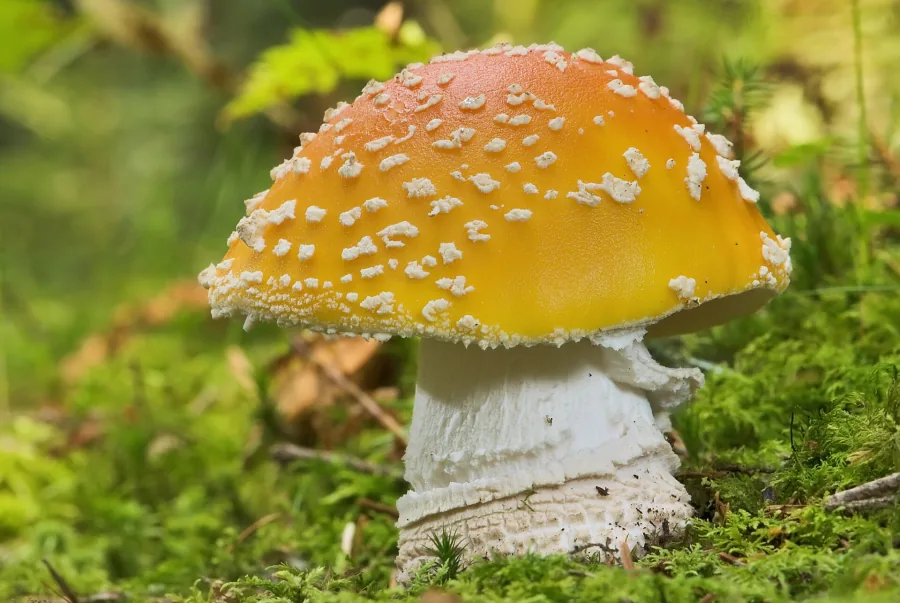
Plants trade photosynthate for nutrients acquired by mycorrhizal fungi, and the terms of that trade differ between fungal types and shift under warming, nitrogen deposition and elevated CO₂. Whether mycorrhizal fungi accelerate or suppress litter decomposition remains contested, and most soil models represent them implicitly if at all. We develop mycorrhiza-explicit soil models to ask what carbon cost a forest pays for its fungal partners, when that investment stops paying off, and how fungal traits, climate and litter chemistry govern the answer.
Relevant publications: Shao et al. JGR: Biogeosciences (2025) · Shao et al. Soil Biology and Biochemistry (2023) · Shao & Sulman, New Phytologist (2024)
Model: Myco-CORPSE
Peatland carbon and nutrient cycling
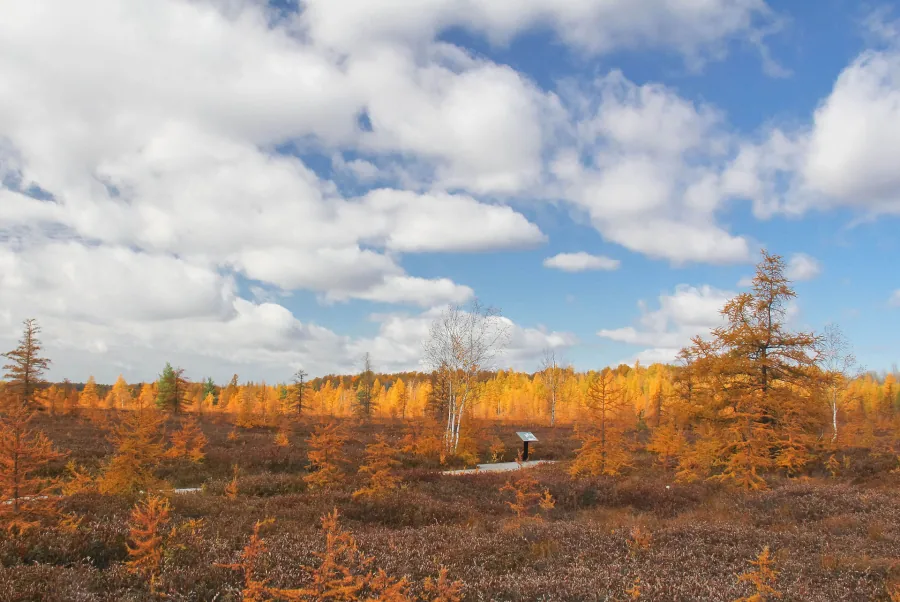
Northern peatlands hold a large share of global soil carbon, and their fate under warming and nitrogen deposition depends on microbial and mycorrhizal processes that peatland models have largely left implicit. Ericoid mycorrhizal fungi mine organic nutrients in these systems, potentially coupling shrub productivity to peat decomposition. We extend the McGill Wetland Model with peat cohort tracking, microbial controls and an explicit ericoid mycorrhizal pool to ask how nutrient cycling mediated by plant–microbe interactions shapes the response of ombrotrophic bogs to fertilization and environmental change.
Relevant publications: Shao et al. New Phytologist (2023) · Shao et al. Science of the Total Environment (2022) · SPRUCE-MIP multi-model intercomparison (in review)
Model: McGill Wetland Model
Enhanced rock weathering and soil carbon removal
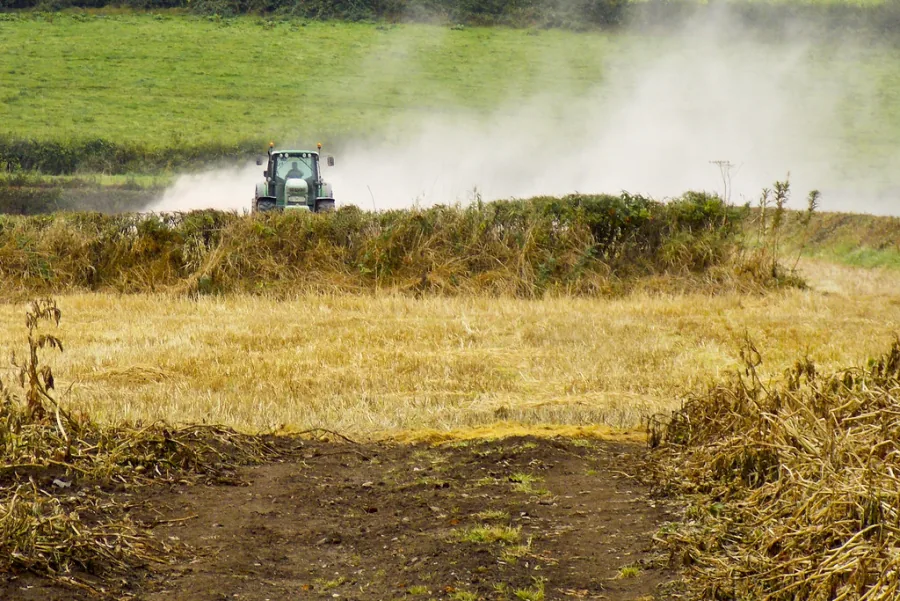
Enhanced rock weathering spreads crushed silicate rock on farmland to draw down CO₂, and its potential is usually estimated with geochemistry-centred models that treat soil biology as a passive backdrop. Yet most of the CO₂ that drives weathering in soils is biogenic, and the cations released interact with the exchange complex, secondary minerals and organic matter. We couple plant, microbial and geochemical processes in a single process-based ecosystem model to ask how much of the predicted carbon removal is realized in a living soil, which pathways carry it, and what follows for the measurement, reporting and verification of soil-based carbon dioxide removal.
Relevant publications: Shao et al., Biological processes govern carbon removal during enhanced rock weathering (in preparation) · Esquivel et al., Beyond weathering: combining organic and inorganic soil-based carbon drawdown (in preparation)
Model: ecosys
Grants
Funded
As Co-PI
Shao, S. (Co-PI). “Transforming subsurface prediction with an autonomous, multi-agent AI workflow for multi-scale coupled bio-hydrogeochemical modeling.” Department of Energy, Genesis Mission. $585,000. 2026--2027 (Phase I).
As Contributor
“From early Earth to Mars: Advancing an integrated ‘Landscape Terraformation science’ of how life transforms planets with a multi-scale collaboratory digital twinning of Biosphere 2.” University of Arizona, Big Idea Challenge. $250,000. 2025--2027.
See also: Publications · Talks & Presentations · Models
- Shao, S., Shortt, Z., Sulman, B., & Hicks Pries, C. (2025). Modeling Mycorrhizal Carbon Costs in Temperate Forests: The Impacts of Functional Diversity and Global Change Factors. Journal of Geophysical Research: Biogeosciences, 130(10). 10.1029/2025jg009198
- Shao, S., Wurzburger, N., Sulman, B., & Hicks Pries, C. (2023). Ectomycorrhizal effects on decomposition are highly dependent on fungal traits, climate, and litter properties: A model-based assessment. Soil Biology and Biochemistry, 184, 109073. 10.1016/j.soilbio.2023.109073
- Shao, S., & Sulman, B. N. (2024). Eco‐evolutionary insights into microbial litter decomposition. New Phytologist, 243(3), 825–827. 10.1111/nph.19746
- Shao, S., Wu, J., He, H., & Roulet, N. (2022). Integrating McGill Wetland Model (MWM) with peat cohort tracking and microbial controls. Science of The Total Environment, 806, 151223. 10.1016/j.scitotenv.2021.151223